St Bavo’s Cathedral Ghent: Ghent Altarpiece and sacred art (2026)
The Ghent Altarpiece: what you’re seeing
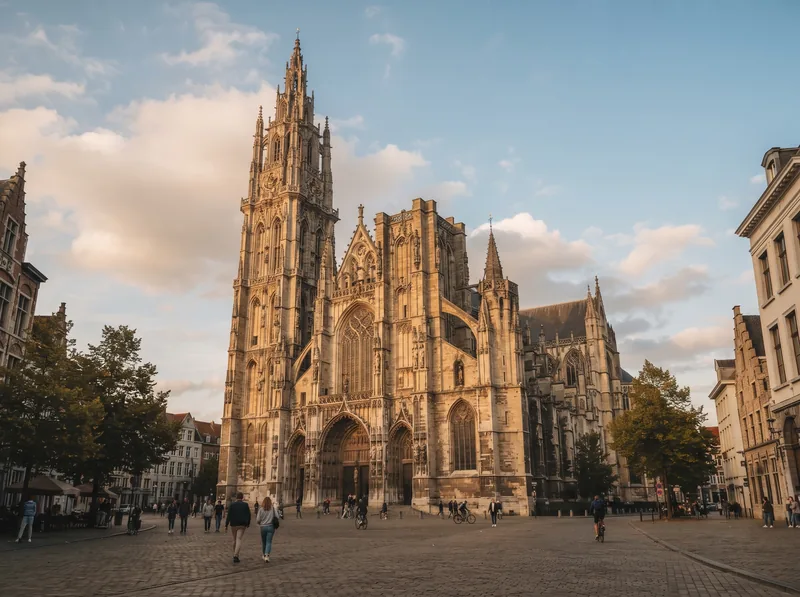
The Ghent Altarpiece (formally: "Adoration of the Mystic Lamb") is a monumental 12-panel hinged wooden altarpiece painted in oil by Jan van Eyck and his brother Hubert in 1432. It measures 3.75 metres tall by 2.67 metres wide when open. The work is considered one of the masterpieces of Flemish art, filled with symbolic detail: shepherds, knights, bishops, and peasants converge to worship a divine lamb, representing Christ. The colours remain astonishingly vivid after nearly 600 years. Viewing it requires a timed ticket (25-minute slots) and is housed in a climate-controlled chamber within the cathedral.
The altarpiece underwent a three-phase restoration beginning in 2020. As of 2026, the restoration is complete, and the panels are back in their permanent location in the cathedral. Before your visit, check sintbaafskathedraal.be for the latest exhibition status.
Cathedral and altarpiece guided tour
English-language guide explains Jan van Eyck’s masterpiece, Gothic architecture, and the sacred art of Renaissance Flanders. Includes priority access or optional combined tour with the cathedral interior and crypt.
Check ticketsExpert-led private guide
Arrange a private art historian to guide your group through the altarpiece, its restoration, and the surrounding sacred spaces. Book directly via the cathedral’s visitor centre or website.
Check ticketsGuided city day trip with multiple stops
Covers St Bavo’s, the Altarpiece, Gravensteen, Patershol, and other key medieval sites in a 4–5 hour guided itinerary. Departs from central Ghent; includes local history and cultural context.
Check ticketsWhat to see inside St Bavo’s
The cathedral comprises three main areas: (1) the Ghent Altarpiece viewing room (paid ticket), (2) the cathedral interior (free walk-through), and (3) the crypt (free). Most visitors start with the altarpiece, then explore the cathedral’s Gothic nave, side chapels, stained glass, and confessional booths. The experience is contemplative rather than crowded.
The Ghent Altarpiece chamber
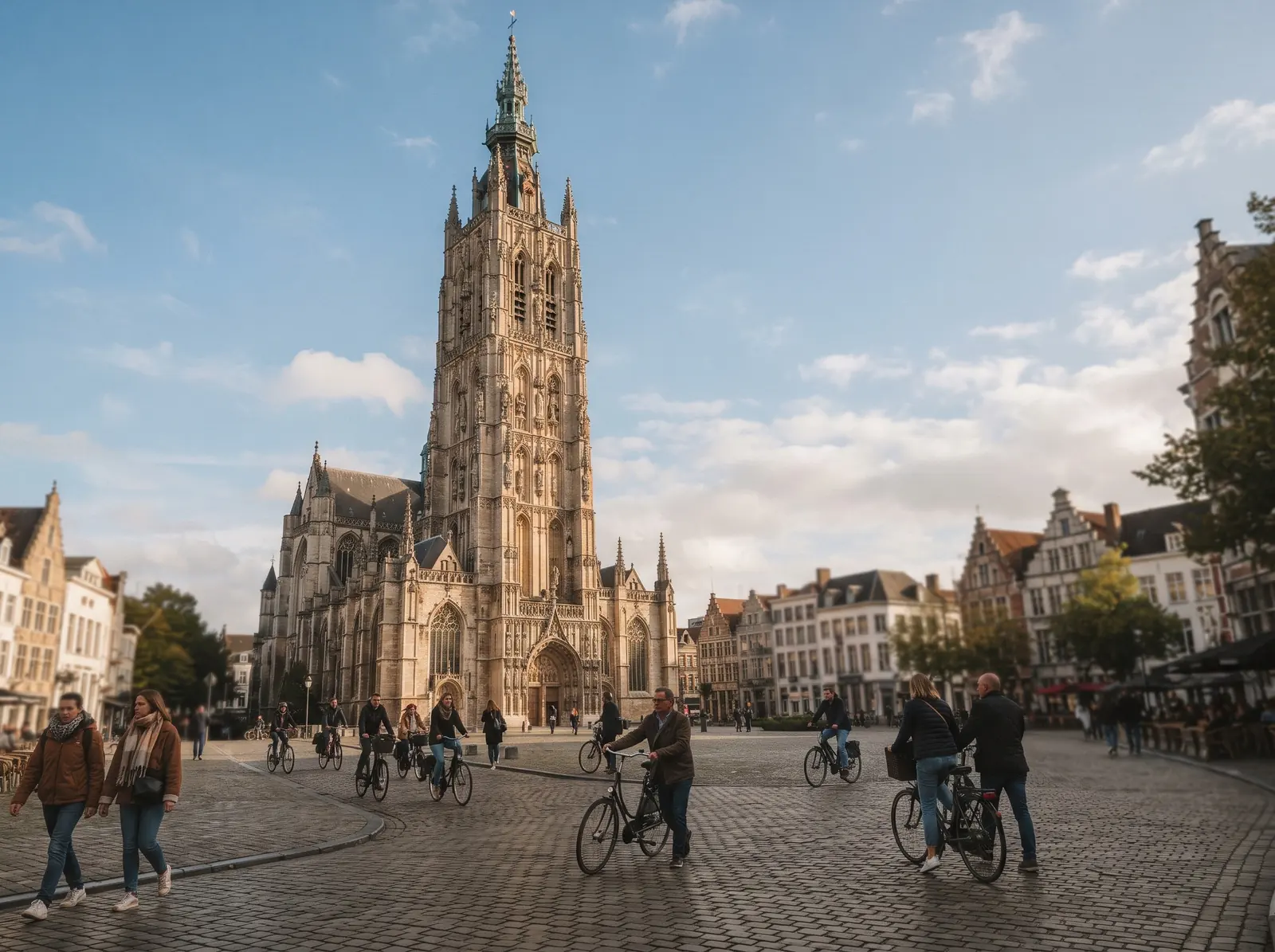
The altarpiece is displayed in its own climate-controlled room, protected behind glass and atmospheric controls to preserve the panels. Your 25-minute slot gives ample time to study the painting from multiple angles. The work is enormous and intricate: close viewing reveals hundreds of tiny details in clothing, landscapes, and faces. The altarpiece opens and closes (currently displayed open to show all 12 panels). A small visitors’ centre provides context cards and an optional audio guide supplement.
Arrive 10 minutes early to your timeslot. Photography is usually not permitted inside the chamber, so come prepared to observe rather than document. The room is quiet and contemplative by design.
The cathedral interior and nave
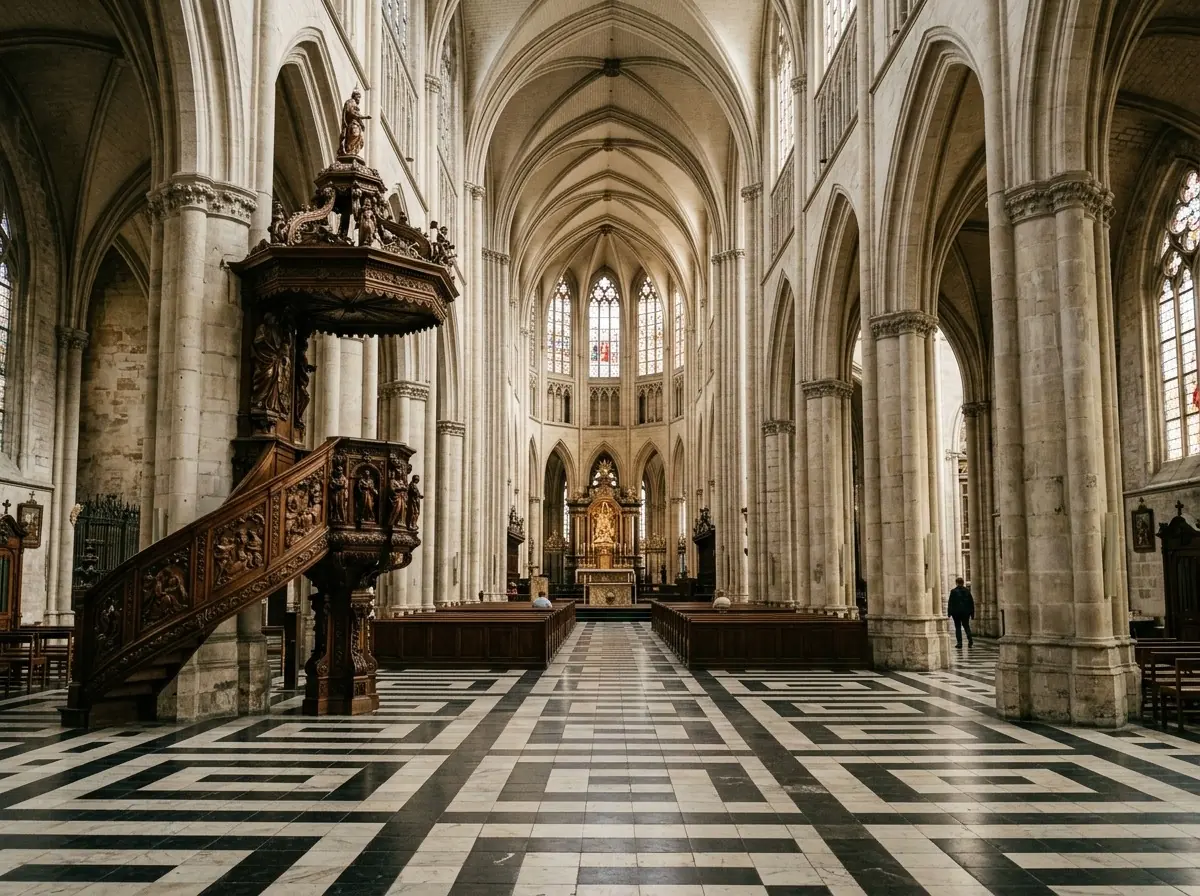
The cathedral interior is free to walk through. The nave is classic Gothic: pointed arches, ribbed vaults, and soaring columns stretching 30 metres high. Stained glass windows filter light in blues, reds, and golds. The side chapels house additional religious art and sculpture. A confessional (baroque style) stands in the south transept. The space is active (services still held here), so observe quietly and respectfully.
Enter through the main north door (closest to Sint-Baafskathedraal street). The best light for photography in the nave is afternoon (2–4 p.m.). Wear closed-toe shoes and modest clothing out of respect.
The crypt
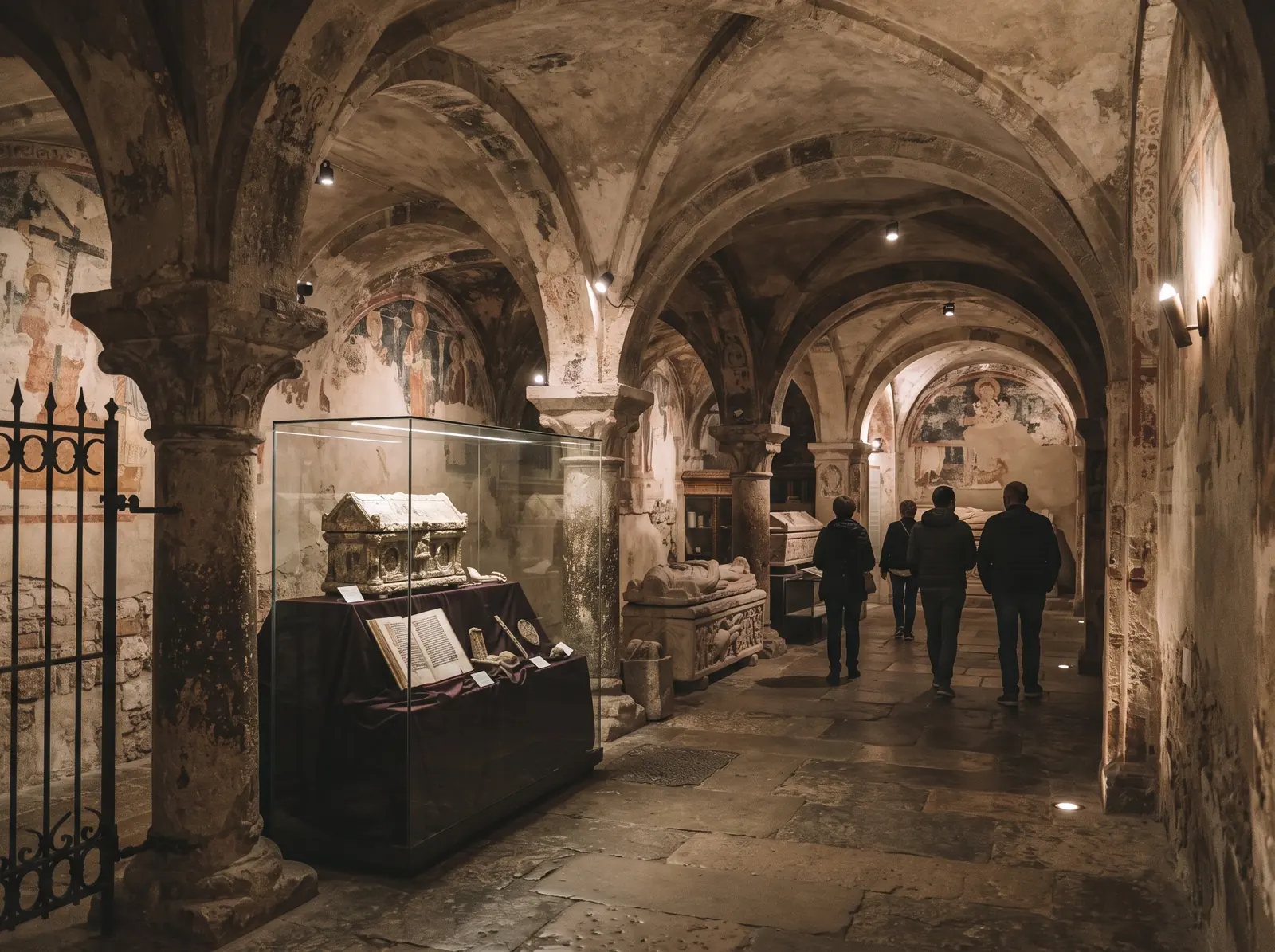
The crypt is accessible via stairs from the cathedral interior (free to visit). It is a dim, atmospheric underground chamber with stone vaults and low ceilings, built during the medieval period. The crypt houses reliquaries (relics of saints, a common medieval practice) and echoes history. Most visitors spend 10 to 15 minutes here as a supplement to the main cathedral.
History and context
St Bavo’s Cathedral was founded in the 14th century, though the site has been sacred since the 7th century when Saint Bavo (a Benedictine monk) lived in a cell nearby. The current Gothic structure was completed by the 1500s. In 1432, Jan van Eyck and his brother Hubert completed the altarpiece — a commission for the cathedral that would become one of art history’s most celebrated works. The altarpiece has survived wars, iconoclasm, theft (in 1934), and restoration, and remains in place today as a symbol of Flemish cultural pride.
| Year | Event |
|---|---|
| 7th century | Saint Bavo lives in a cell on this site; the area becomes sacred ground. |
| 1300s | A Gothic cathedral is begun, replacing an earlier Romanesque church. |
| 1432 | Jan and Hubert van Eyck complete the Ghent Altarpiece, a 12-panel oil masterpiece. |
| 1566 | Protestant iconoclasts attempt to destroy the altarpiece during the Reformation; locals hide it to save it. |
| 1934 | The panel depicting Saint John the Baptist is stolen by an art thief; it is recovered. |
| 2020–2026 | Major restoration of the altarpiece is completed, with full panel-by-panel conservation. |
| Today | St Bavo’s remains a working parish church and pilgrimage site, open to visitors year-round. |
Practical info: booking and visiting
Timeslots for the altarpiece are booked online at sintbaafskathedraal.be. You select your preferred date and 25-minute window. Slots typically cost around EUR 12–16 for adults (confirm current pricing on the website, as prices may vary seasonally). The cathedral interior and crypt are free and can be visited anytime during open hours (typically 9:30 a.m. to 5:00 p.m., with reduced hours on Sundays and holy days). Arrive 10 minutes before your altarpiece timeslot to check in.
Getting to St Bavo’s
Walking from the city centre
From the Belfry or Graslei: walk south and east for 5 to 10 minutes to Sint-Baafskathedraal (St Bavo’s Square). Clear signage marks the way.
By tram
Take tram 1, 4, or 25 to Sint-Jacobs or Gent-Sint-Pieters station, then walk 5 to 10 minutes north into the centre.
By bike
Ghent is bike-friendly; cycle from any neighbourhood in 5 to 10 minutes. Bike racks are at the cathedral entrance.
Nearby to combine
Gravensteen Castle is 5 minutes north (rampart views, medieval history). Graslei and Korenlei (the picturesque riverfront quays) are 5 to 10 minutes south and perfect for lunch after viewing the altarpiece. The Belfry is a 5-minute walk uphill and can be climbed for city views (allow 45 minutes). Patershol neighbourhood is nearby for wandering artisan lanes. A typical one-day Ghent itinerary anchors on the cathedral and nearby attractions. Combine the cathedral with a canal boat trip (departs nearby) and lunch at Graslei for a full afternoon.
Dos and don’ts
Do
- Book your altarpiece timeslot online at sintbaafskathedraal.be at least one day ahead.
- Arrive 10 minutes early to your slot for check-in and orientation.
- Spend the full 25 minutes studying the altarpiece from different angles; the details reward close looking.
- Walk the cathedral interior and crypt afterward (free); they give context to the altarpiece.
- Visit in the afternoon (2–4 p.m.) for warm light in the nave if you plan to photograph the interior.
Don’t
- Don’t plan a full cathedral experience without booking the altarpiece slot; the painting is the main draw.
- Don’t assume you can buy altarpiece tickets on-site; online booking is mandatory.
- Don’t photograph inside the altarpiece chamber if signage prohibits it (usually enforced for conservation).
- Don’t wear casual beachwear or very loud colours inside the cathedral; it’s an active sacred space.
- Don’t skip the crypt; it adds context even if brief.
Where to eat nearby
Graslei quays (5 min walk south): riverside restaurants and cafes, EUR 15 to 35 per main, touristy but atmospheric. City centre streets (5 min walk): Belgian fries stands, sandwich shops, and casual cafes. Patershol neighbourhood (2 min north): cosy restaurants in old buildings, EUR 18 to 30 per main. Grab Belgian fries or a waffle from a street stand for a cheap lunch before or after your altarpiece visit.
Did you know? Five St Bavo facts
- The Ghent Altarpiece is so famous it’s been called "the Mona Lisa of the North." It pioneered oil painting technique in the 1430s, centuries before oil became standard among European artists.
- In 1566, during the Reformation, Protestant iconoclasts tried to destroy the altarpiece as "popish idolatry." The cathedral canons hid the panels inside the church; they survived untouched.
- In 1934, a thief stole the bottom-left panel depicting Saint John the Baptist. The stolen panel was recovered years later; a high-quality reproduction now hangs in that panel’s place during restoration periods.
- The altarpiece underwent its most recent restoration from 2020 to 2026, with each of the 12 panels cleaned and conserved individually by master restorers. It cost millions and took six years.
- Saint Bavo, the cathedral’s namesake, was a wealthy Frankish nobleman in the 7th century who renounced his riches, became a hermit, and lived in a cave near this site. He is the patron saint of Ghent.
Frequently asked questions
What is the Ghent Altarpiece?
A 12-panel oil painting by Jan van Eyck (1432) depicting the Adoration of the Mystic Lamb. One of the greatest masterpieces of Flemish art, it measures 3.75 x 2.67 metres and is displayed in the cathedral in a climate-controlled room.
How much is the altarpiece ticket?
Around EUR 12–16 for a timed 25-minute slot. Verify current pricing at sintbaafskathedraal.be. The cathedral interior is free to walk through anytime.
Do I need to book ahead?
Yes. Altarpiece slots are online-only at sintbaafskathedraal.be. The cathedral interior is free walk-in, but many visitors prefer to book the altarpiece slot in advance.
What else is there besides the altarpiece?
The cathedral interior (free Gothic nave, stained glass, side chapels) and crypt (free). Most people spend 1 to 1.5 hours total: 25 min altarpiece + 30 min interior + 15 min crypt.
Is it worth the ticket price?
For most art lovers, yes. The altarpiece is genuinely world-class and rarely seen outside Ghent. The cathedral interior and crypt are beautiful in their own right and free.
Can I photograph inside?
Photography is usually prohibited in the altarpiece chamber (for conservation). The cathedral interior allows photos. Check signage on arrival.