The independent city guide · Belgium

Ghent

Medieval streets, golden-hour Graslei, three castles, Belgian chocolate and beer. Small enough to walk in a day, deep enough to stay a week.

Written by a Ghent-born walking guide · 11 years in Patershol

280,000
City population
Flemish
Language — English widely spoken
EUR
Euro, not guilders
April–Sep
Best months to visit
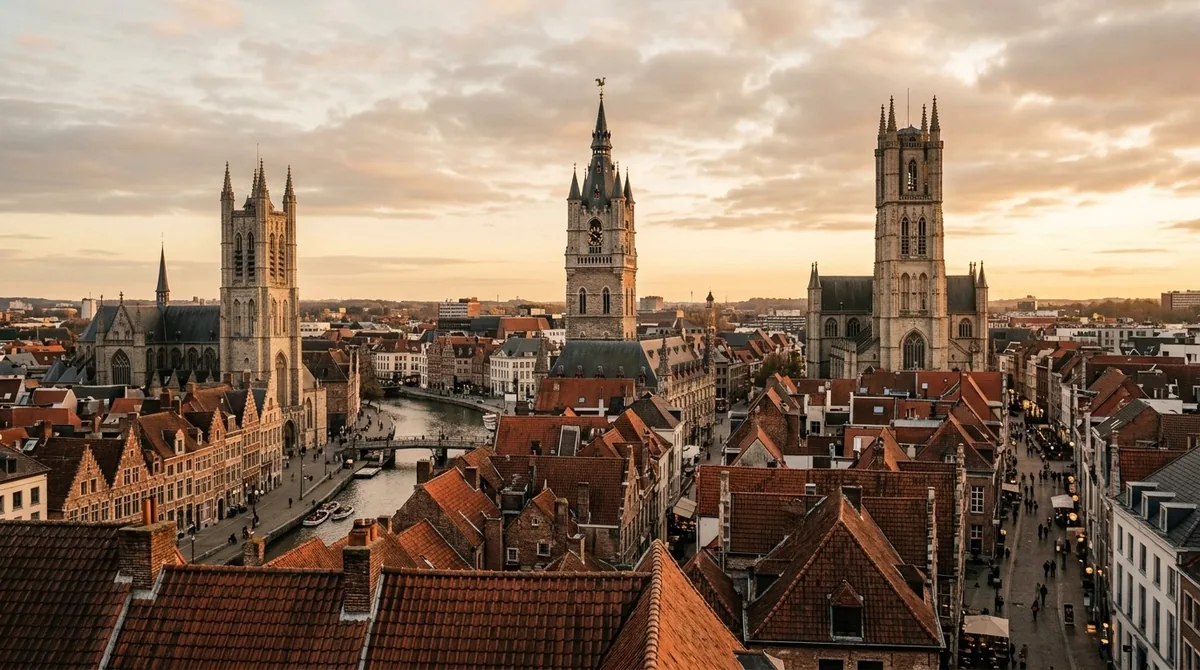
6 towers
The skyline trio — churches & castles
CET
Time zone (UTC+1)

A city you walk, not a city you rush

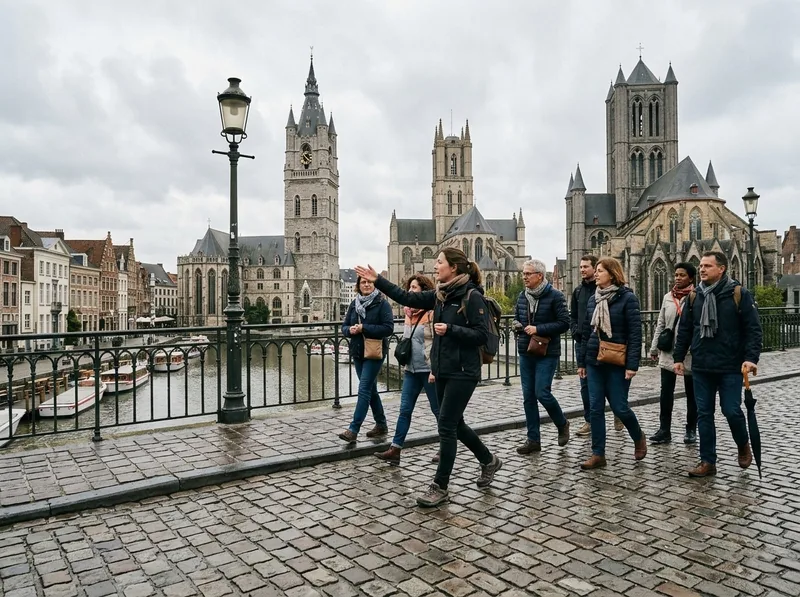
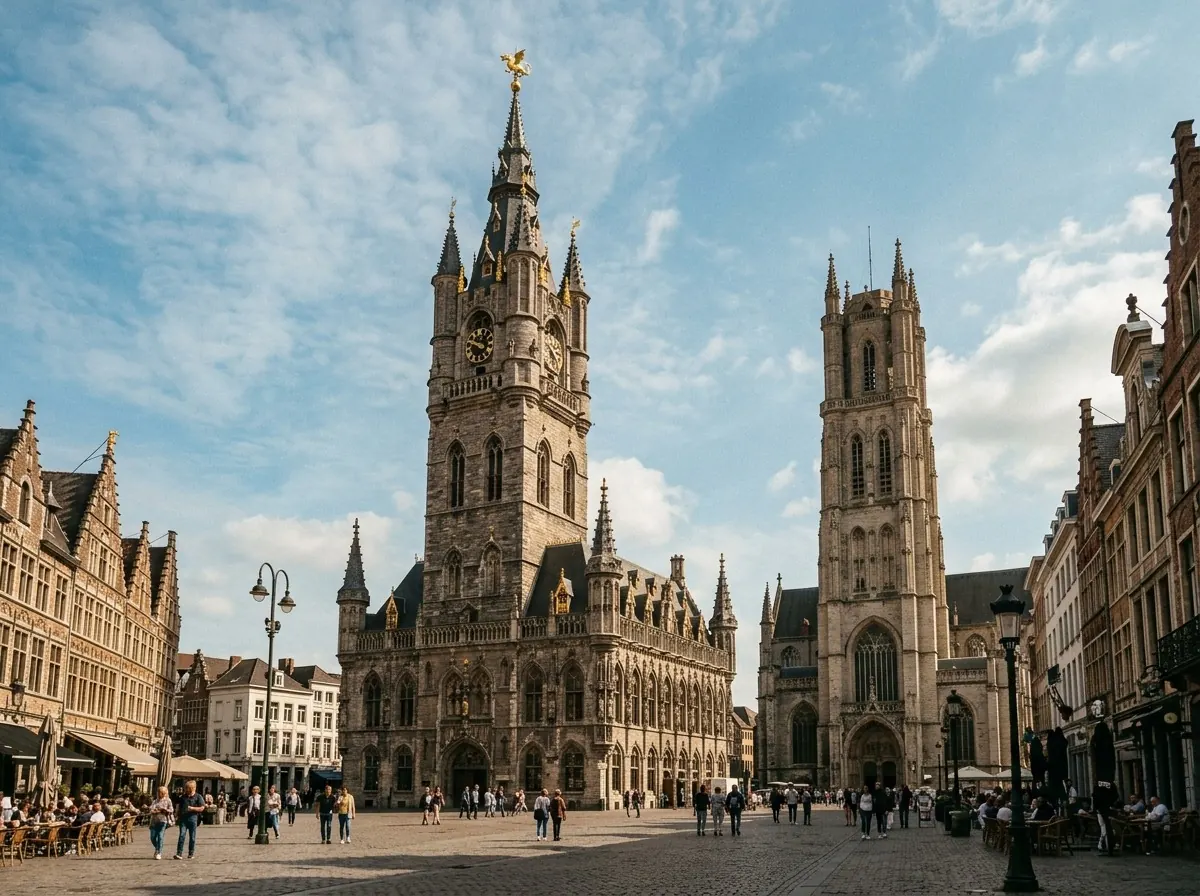
Ghent reveals itself on foot. The centre fits inside a two-kilometre square, the best views are free, and the major paid attractions — Gravensteen, St Bavo’s, the Belfry — sit within a 20-minute walk of each other. A single CityCard covers them all plus the canal boat and the trams.

This guide is written and maintained by a Ghent-born city guide who has lived in Patershol for 11 years. It covers what matters (and what you can skip), day-by-day itineraries, what a trip actually costs, and the handful of tours worth your time. No fluff, no sponsored rankings — the same advice we give visitors on our walking tours.

Where to go in Ghent

The city sorts itself into a few walkable pieces. Start with these four and the rest falls into place.

Graslei and Korenlei — the golden hour

Graslei & Korenlei — the golden hour

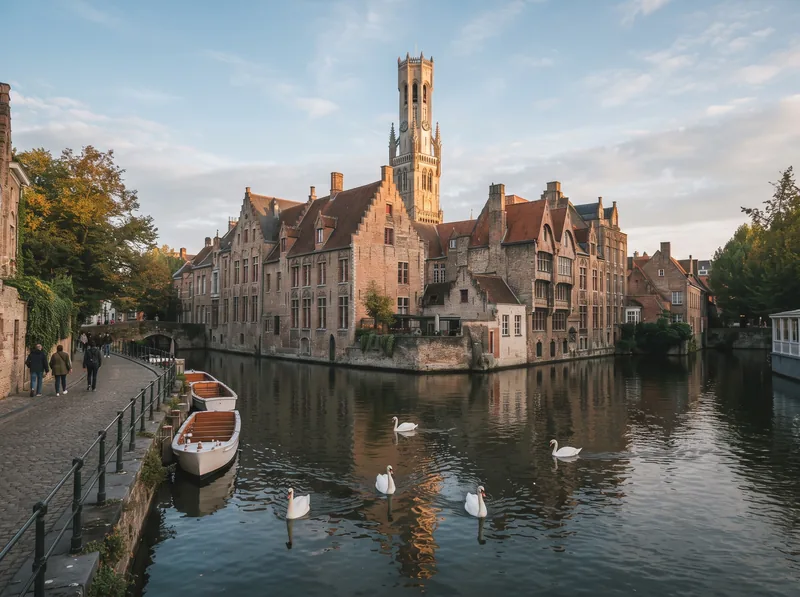
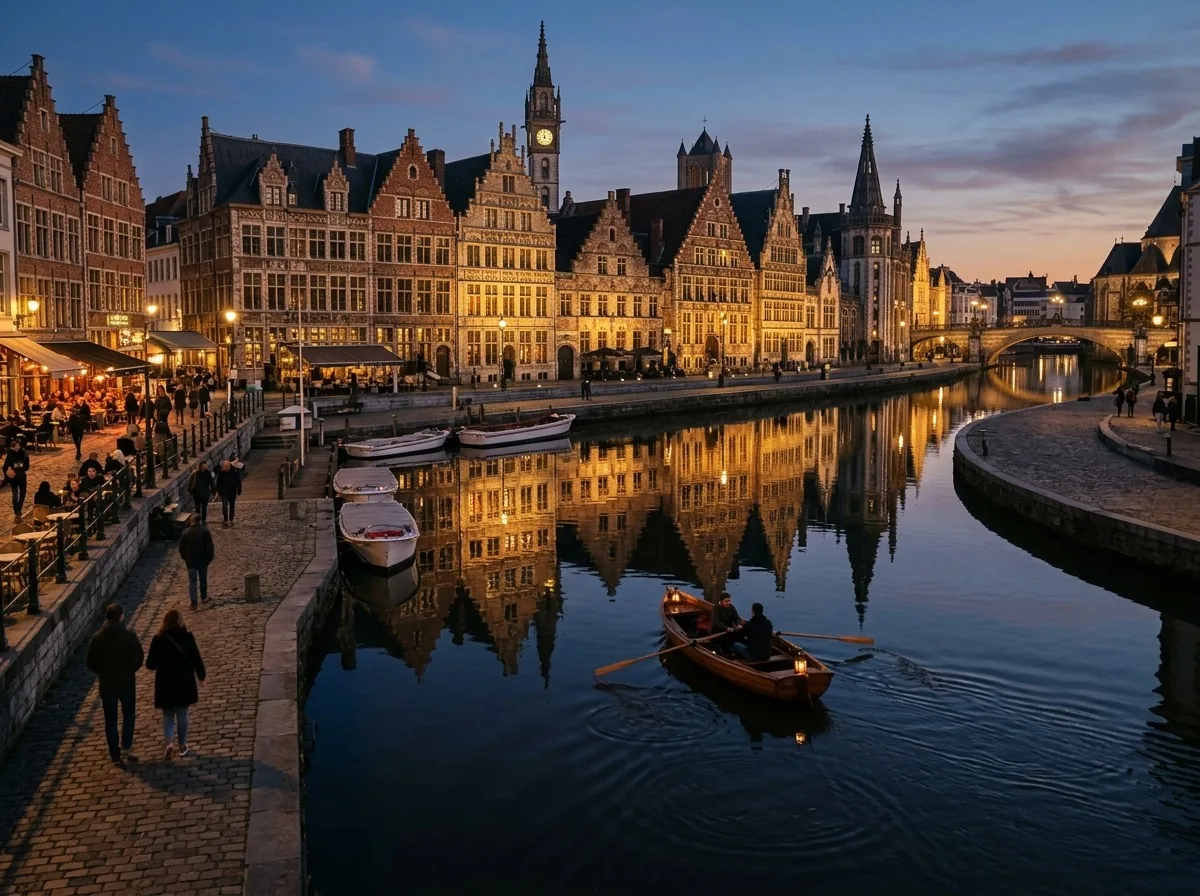
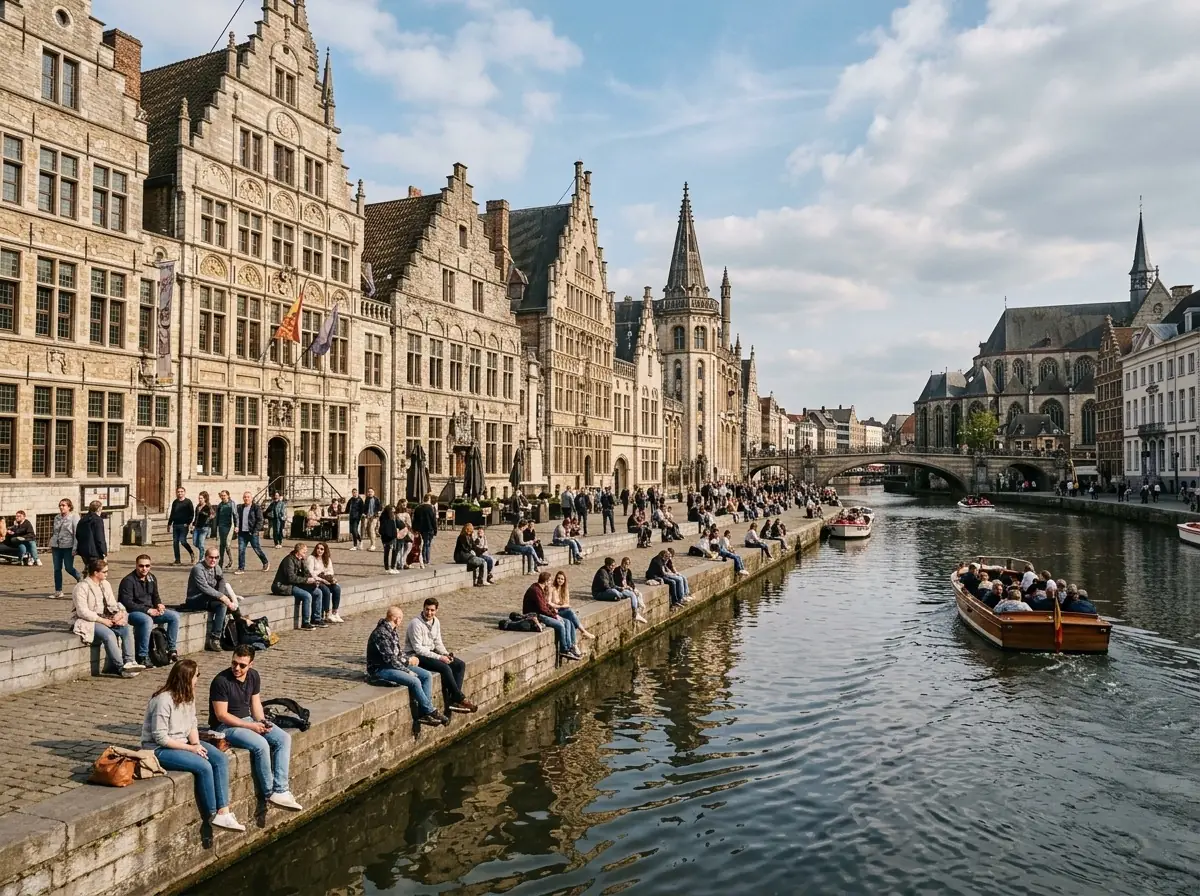
The painted guild houses, the canal-side restaurants, the Belfry rising behind — the postcard is real, best at sunset. Walk the quay at 5 p.m., then sit on a bench with a Belgian beer. The reflection turns the buildings into their own mirror. This is where a photo becomes a memory.

Graslei & Korenlei, properly ›
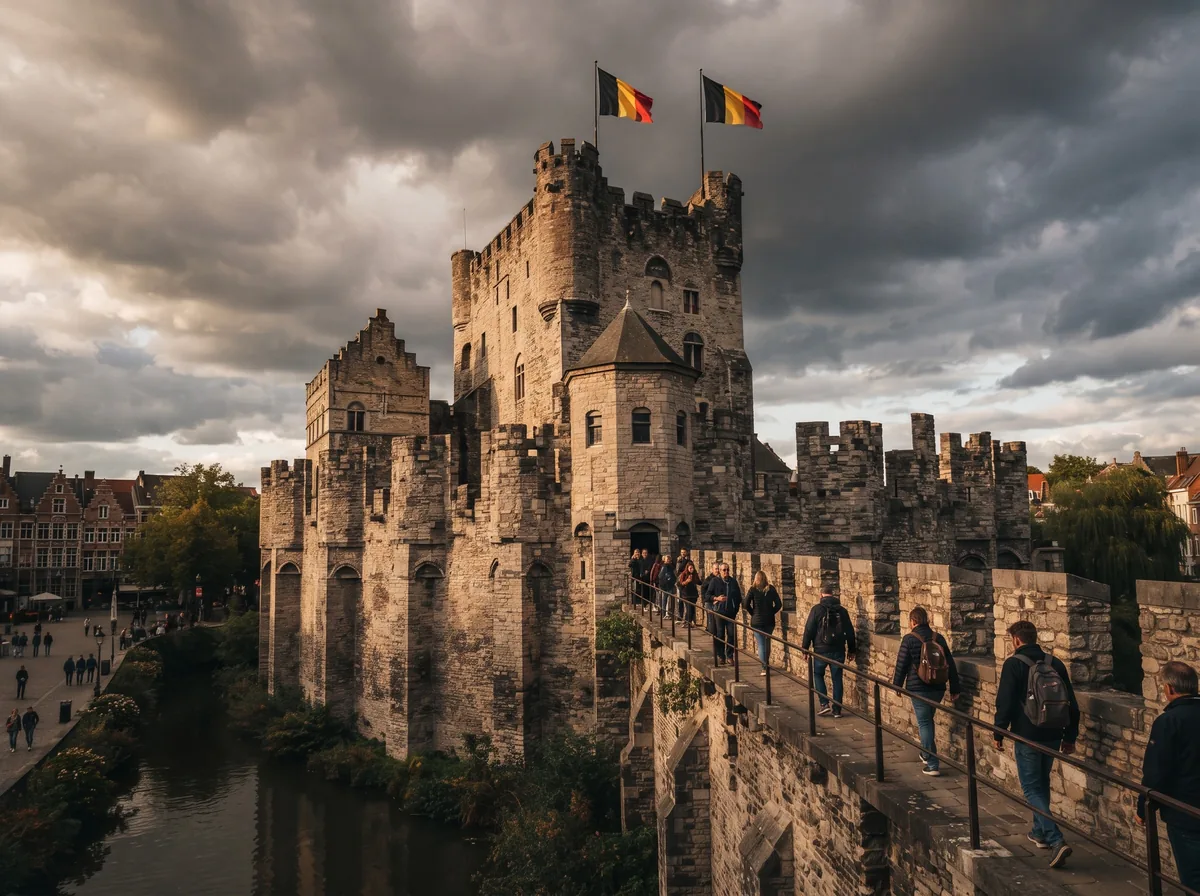
Gravensteen — the medieval core

Gravensteen — the medieval core

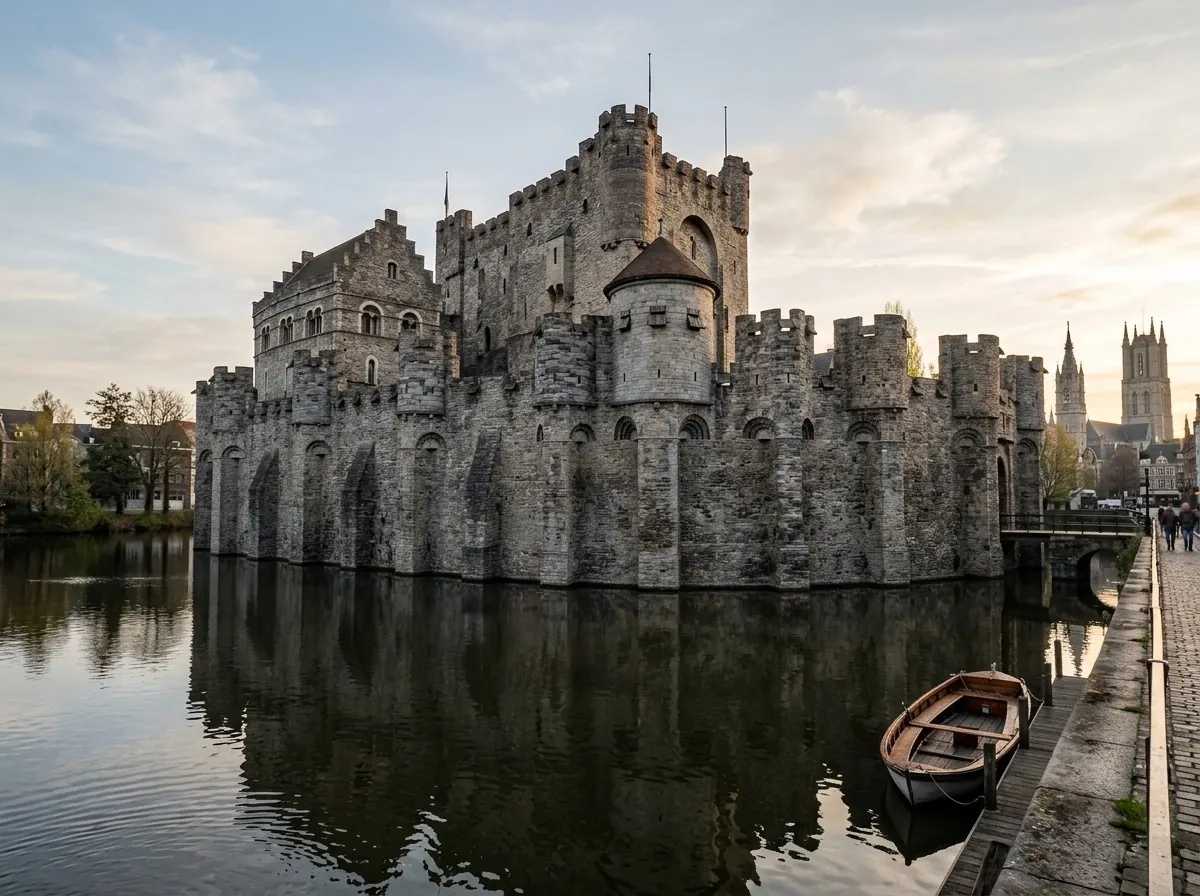
The castle in the centre of the city — a 12th-century fortress that once ruled the count’s domains, now a museum. The audio guide is excellent, the ramparts give you the city layout in one sweep, and the views from the top justify the EUR 13 entry alone. Book ahead in July.

Gravensteen Castle & ramparts ›
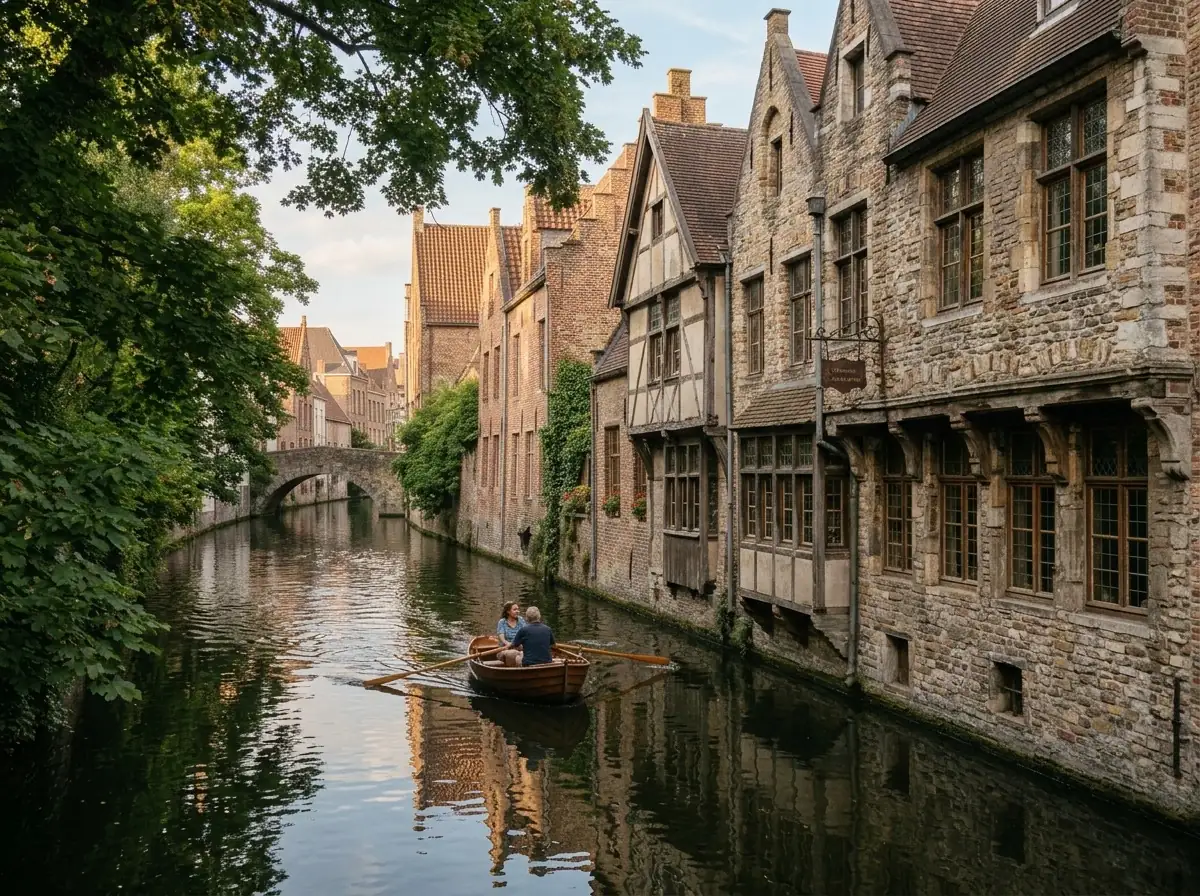
The city from the water

The city from the water

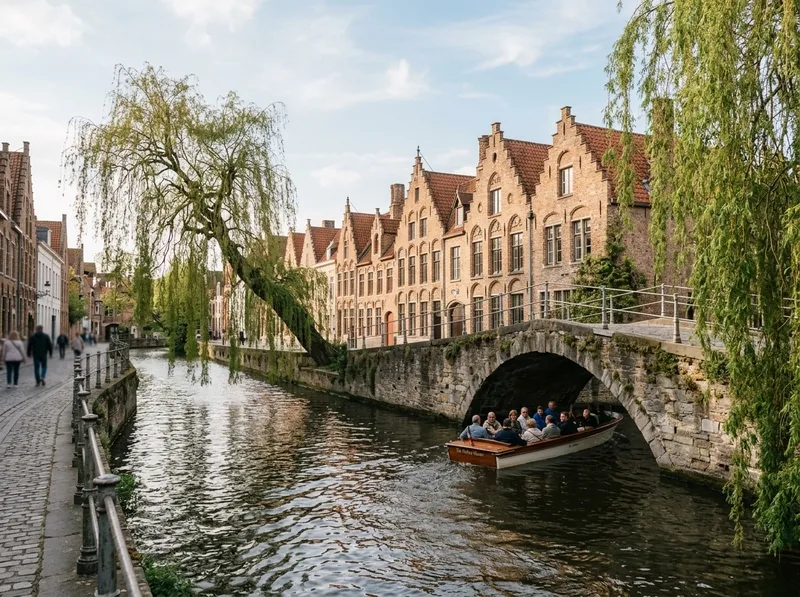
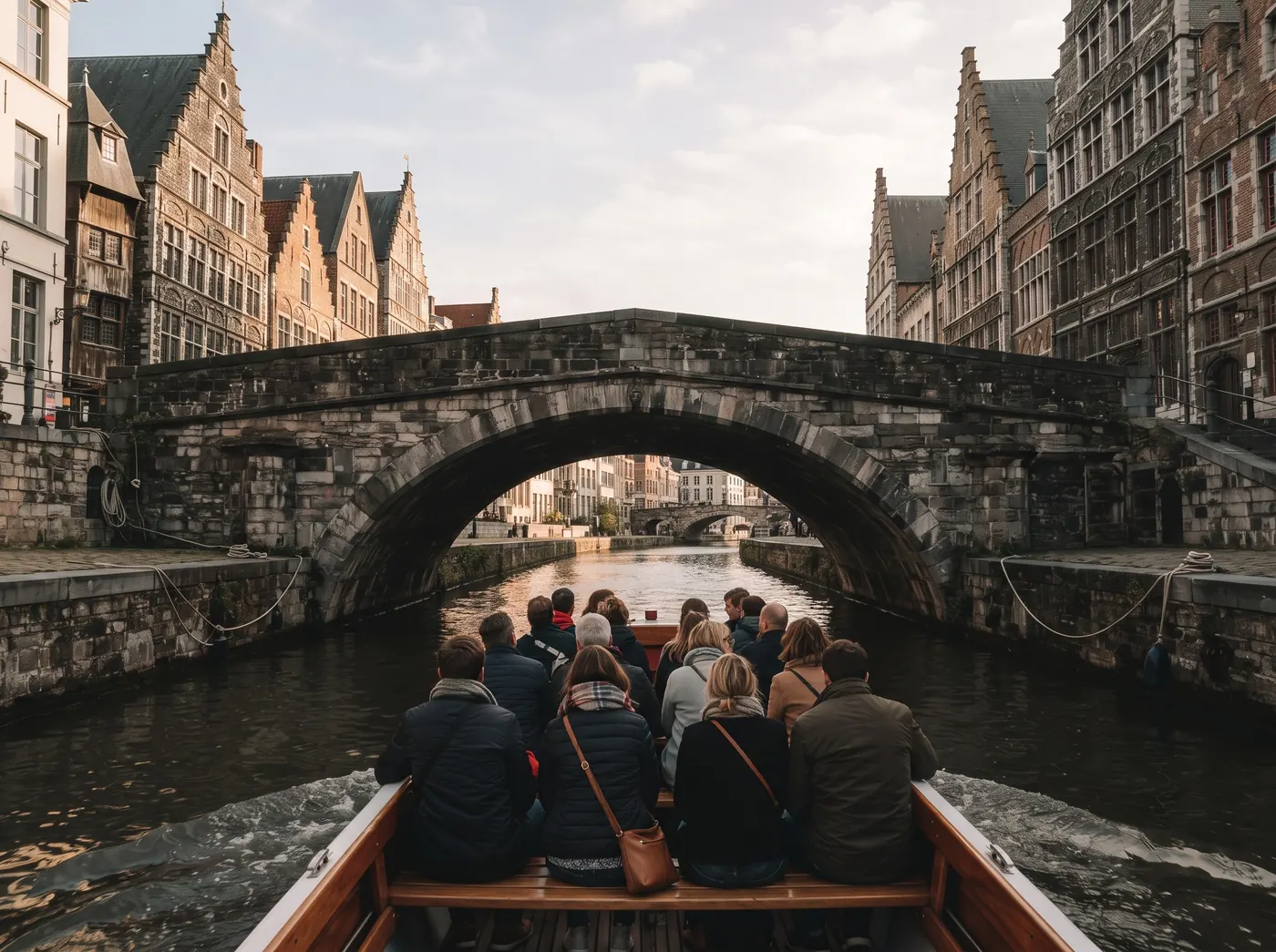
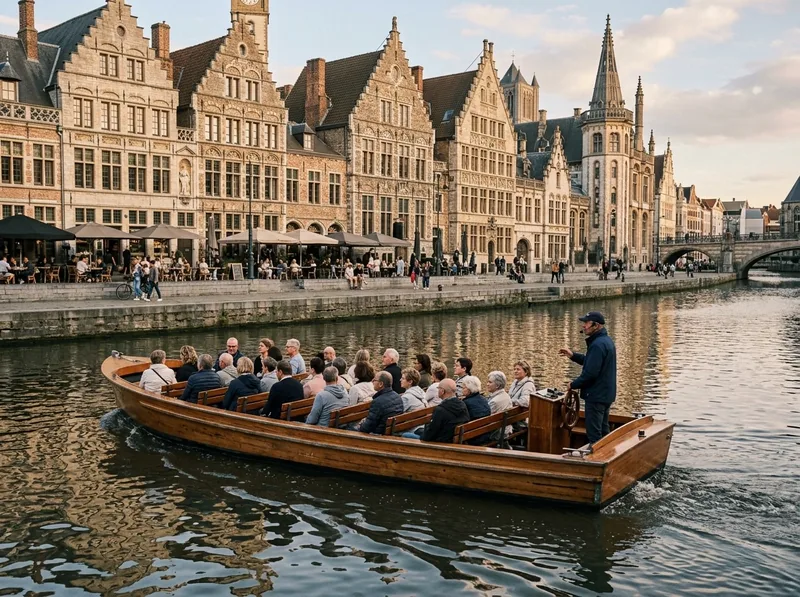
Ghent was built as a harbour town and still reads best from a boat. The 50-minute public cruise circles the medieval core, passes the three towers, docks at St Bavo’s, and costs EUR 13. Small electric boats offer the same loop with no queue. Either way you understand the city’s geometry in an hour.

Canal boat tours explained ›
Patershol — where locals eat and wander

Patershol — where locals eat & wander

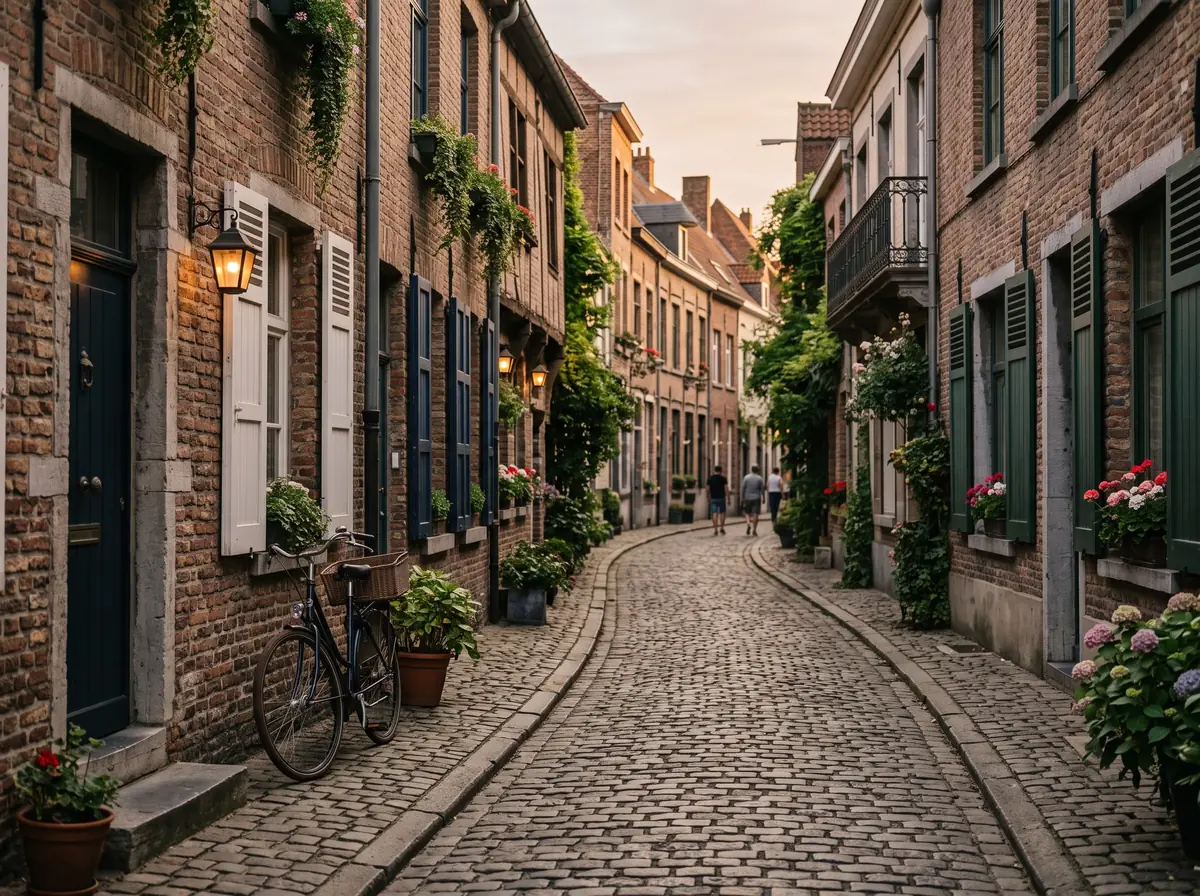
The quarter where this guide was written — narrow lanes, little galleries, bakeries, and restaurants that haven’t changed since the 1970s. It sits one tram stop from the centre but feels like a village inside the city. Lunch here, wander for an hour, and you’ve found the real Ghent.

Patershol quarter & where to eat ›

Start with these guides

The four pages that answer most visitors’ questions.

Plan your visit

Everything practical in one place — the honest answers to the questions every first-time visitor asks.

Read the complete guide

The tours worth booking

Ghent doesn’t need many bookings — but the few good ones sell out in July. These are the eight we’d actually recommend, with live prices and free cancellation on most.

Best-selling tours & experiences

Easy, fast and secure booking — free cancellation up to 24 hours before on most, and you skip the ticket queue.

Book the canal cruise — the best first hour

50 minutes from the medieval core, live commentary, departs multiple times daily, year-round. EUR 13 per person.

Check dates & book
Free cancellation up to 24 hours before departure on most tours — book now, decide later.
Ghent in six frames

The quays, the castle and the lanes as you find them on the ground — click any photo to see it full-size.

The Graslei quay at golden hour with guild houses reflected in water
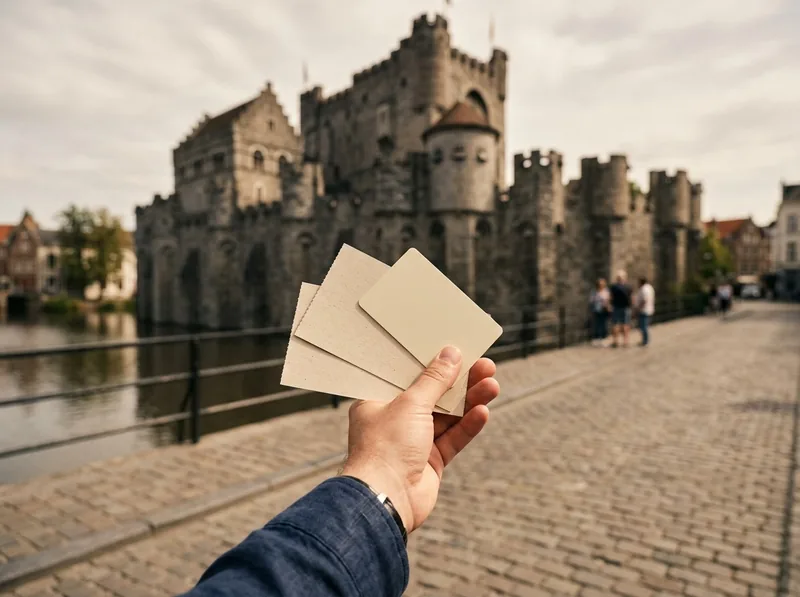
Gravensteen castle with its moat and rampart walls
The Belfry of Ghent rising above the roofline at dusk
A narrow lane in Patershol with restaurant lights
The city reflected in canal water with bridges and buildings
St Bavo’s Cathedral facade and bell tower

Six questions before you go

The things visitors ask most.

What is Ghent best known for?

The Graslei (guild houses on the canal), Gravensteen castle, St Bavo’s cathedral with the Van Eyck altarpiece, Belgian beer and chocolate, and the medieval skyline. 17 things that matter.

Is Ghent expensive?

No. A day costs EUR 70–100 if you skip the castles and eat where locals eat. One CityCard (EUR 42) covers all the paid sights. The paid hits are few enough that smart choices beat expensive ones. Real daily costs.

Is two days enough?

Yes — two days hits everything (castles, Graslei, Patershol, a museum). Three days is ideal if you want Bruges as a day trip or time to wander. The 2-day itinerary.

Do they speak English?

Yes, widely among people under 50. Dutch (Flemish) is the first language, but tourism is normal here. A few phrases are polite: ‘hallo’, ‘dank je’ (thanks), ‘twee bieren’ (two beers).

Best month to visit?

May, September and early October are mild and quieter. June–August is warm but July has the Gentse Feesten (10-day beer & music festival — book ahead). April is spring. November–February is grey. Climate by month.

What not to miss?

The Graslei at sunset (free), Gravensteen ramparts (EUR 13), St Bavo’s altarpiece (EUR 5 extra), a 50-minute canal boat (EUR 13), and one meal in Patershol. Skip the Little Mermaid copy in the corner — unique sights only. Seven free things.

Frequently asked questions

What is the best Ghent tour?

For most visitors, the 50-minute canal cruise (EUR 13) is the best first hour — it circles the entire medieval core. For a longer day, one CityCard (EUR 42) covers Gravensteen, St Bavo’s, a canal boat, and all trams. Compare all tours.

How much does a Ghent tour cost?

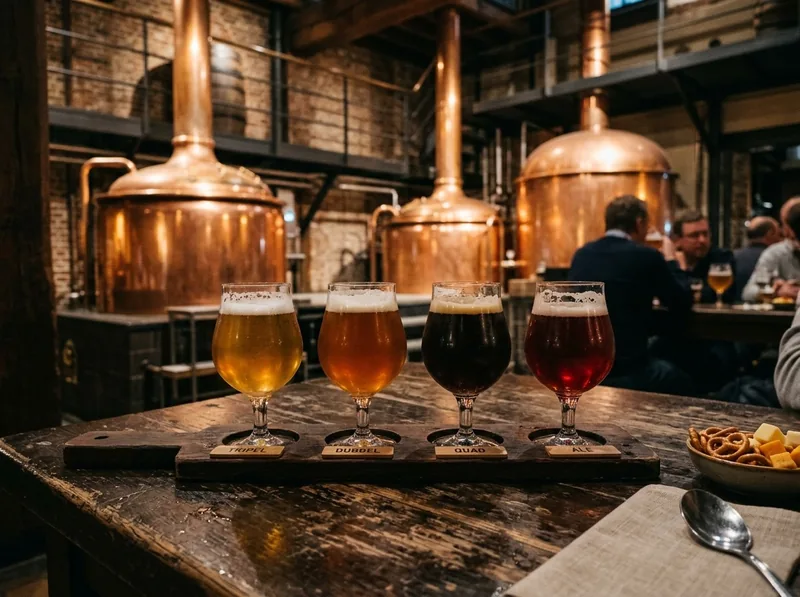
Tours range from EUR 13 (canal cruise) to EUR 95 (beer tasting & brewery). The CityCard at EUR 42 for 48 hours covers major sights plus transport. Budget EUR 70–150 per day with meals. Real daily costs.

How long should I spend in Ghent?

One day works for a quick stop en route. Two days hits everything — castles, canal, Belfry climb, Patershol lunch. Three days is ideal and leaves time for Bruges (20 min away). The 2-day itinerary.

Is the CityCard Gent worth it?

It depends what you see. For Gravensteen (EUR 13) plus St Bavo’s altarpiece (EUR 5) plus Belfry (EUR 10) plus one canal boat (EUR 13) plus two tram rides (EUR 4), the EUR 42 card breaks even by mid-day. The break-even maths.

When is the best time to visit?

May, June and September are mild and uncrowded. July has the Gentse Feesten (10-day festival, book ahead). August is warm but busy. November–February is grey and quiet. Climate by month.

Can I cancel my tour?

Most GetYourGuide tours offer free cancellation up to 24 hours before. Some allow same-day cancellation. Check the terms on each tour’s booking page.

Still have questions? Email us hello@ghentguide.com

Explore Ghent Guide